
THE Civil Registry Department has processed 440 000 documents out of 456 000 applications made this year, Home Affairs and Cultural Heritage Minister Kazembe Kazembe has revealed.
The civil documents — including birth certificates, death certificates, and IDs — were issued since the beginning of the year, as the Second Republic, under the astute leadership of President Mnangagwa, moves to ensure that no one and no place is left behind.
Speaking at the pre-budget seminar in Bulawayo last Friday, Minister Kazembe detailed the volume of work completed by the Civil Registry.
“We managed to do our mandate, that of processing civil documents,” he said.
“Out of 456 000 applications, we managed to process 440 000 and that is 97 percent [of work done] and we managed to do this despite the issues to do with the budget release.”
The minister attributed the success to the department’s mobile registration programmes, including 23 blitzes conducted this year, which brought services closer to under served communities.
“We also managed to do some mobile programmes, 23 of them, and we also managed to establish some sub-offices.
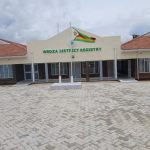
“We also managed to build a provincial registry office in Manicaland, a state-of-the-art office.”
Minister Kazembe said the Government would continue with the decentralisation agenda, promising to build more modern registry offices in other provinces.
“I am aware that some provinces also want these state-of-the-art registry offices. It’s work in progress. We had to start with Manicaland because of the cabins that they were using, wooden cabins as provincial offices.
“So we could not deploy electronic gadgets, state-of-the-art equipment to produce e-passports in a wooden cabin. So we had to do Manicaland first. We are now going to Masvingo and Mashonaland Central provinces.”
By decentralising the registration process, the Government aims to reduce the barriers that many citizens face in accessing these services.
Long distances, transportation costs, and bureaucratic delays have often been significant obstacles for many, particularly those in rural or under served areas.
With the new office, citizens will have a more convenient and efficient way to obtain the documents they need, thereby enhancing their ability to access services and exercise their rights.
The civil registration is at the heart of national development because it unlocks legal identity, enabling citizens to claim their rights and access opportunities.